
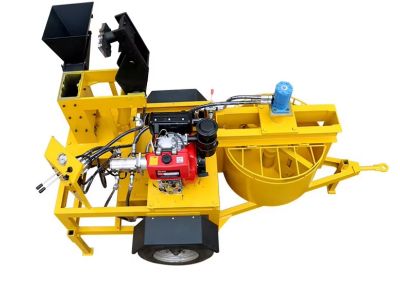
Automatic cement brick making machines with PLC control are essential tools in the construction industry, designed to manufacture high-quality bricks efficiently and consistently. For purchasing managers and industrial buyers, understanding the specifications, sourcing options, quality control measures, cost factors, and installation requirements are crucial for making informed decisions. This article will explore these aspects, providing you with the knowledge needed to evaluate and select the right equipment for your projects.
Key Specifications of PLC-Controlled Cement Brick Machines
When considering an automatic cement brick making machine with PLC control, several key specifications are crucial for ensuring optimal performance and suitability for specific applications.
Production Capacity: The production capacity, often measured in bricks per hour, indicates how many bricks the machine can produce under standard operating conditions. Higher capacities are suitable for large-scale projects but may require more space and energy.
Control System: The PLC (Programmable Logic Controller) enables automation of the production process, allowing for precise control over the mixing, molding, and curing processes. This results in consistent brick quality and reduces the risk of human error during operation.
Mold Sizes and Types: Buyers should consider the available mold sizes and types, as these directly affect the dimensions and shapes of the bricks produced. Custom molds may be available, allowing for unique designs or specifications.
Material Compatibility: These Interlocking Soil Brick Making Machine typically utilize cement, sand, and aggregates. Understanding the material requirements and compatibility with various mixtures is essential for ensuring the desired brick quality and durability.
Energy Consumption: Evaluating the energy efficiency of the machine is important for operational cost considerations. Machines with lower energy consumption contribute to overall cost savings over time.
Where to Source Reliable Wholesale Cement Brick Making Equipment?
Sourcing reliable wholesale suppliers for cement brick making machines involves careful research and evaluation. Key considerations include:
Supplier Reputation: Look for manufacturers with a solid reputation in the industry. Companies like Tancheng County Hongbaoyuan Machinery Co., Ltd. are known for their expertise in producing high-quality brick making Medium block making machine and have a history of serving global markets.
Certifications and Standards: Verify if the supplier complies with international manufacturing standards and possesses relevant certifications. This ensures that the equipment meets quality and safety requirements.
Customization Options: Discuss customization capabilities with potential suppliers. Many manufacturers offer tailored solutions to meet specific project requirements, which can enhance operational efficiency.
After-Sales Support: A reliable supplier should provide comprehensive after-sales support, including installation assistance, maintenance services, and access to spare parts.
Reviews and Testimonials: Seek feedback from previous customers regarding their experiences with the supplier. Positive reviews can indicate reliability and product quality.
Quality Control Measures for Automatic Cement Brick Machines
Quality control is vital in the production of cement bricks to ensure consistency and adherence to specifications. Key measures to consider include:
Material Inspection: Before production begins, all raw materials should be inspected for quality. This includes checking for the right proportions of cement, aggregates, and additives.
Production Process Monitoring: Continuous monitoring of the production process is essential. Using PLC control systems allows for real-time adjustments to be made, ensuring the mixture is consistent and the molding process is accurate.
Finished Product Testing: Conducting strength and durability tests on the finished bricks helps ensure they meet industry standards. This may include compressive strength tests and water absorption tests.
Regular Maintenance: Implementing a maintenance schedule for the machines themselves is crucial for preventing breakdowns and ensuring optimal performance over time. Regular inspections can identify potential issues before they affect production.
Documentation and Reporting: Keeping comprehensive records of production data, quality checks, and maintenance activities helps in maintaining accountability and improving future processes.
Cost Factors to Consider When Purchasing Brick Making Machines
The cost of automatic cement brick making machines can vary significantly based on several factors:
Machine Specifications: Higher capacity machines with advanced features typically carry a higher price tag. Buyers should weigh the initial investment against the potential productivity gains.
Customization and Features: Additional features such as automated feeding systems or specialized molds can increase the cost. Assess whether these features align with your production needs.
Shipping and Installation Costs: Consider the logistics of shipping the Interlocking Brick Machine to your location, as well as any installation costs. Factors like machine size and destination can influence these expenses.
Operating Costs: Beyond the purchase price, consider ongoing costs such as energy consumption, maintenance, and labor. Machines that are more energy-efficient may lead to lower operational costs over time.
Warranty and Support: Evaluate the warranty terms and after-sales support provided by the manufacturer. A robust warranty can offer peace of mind and protect against unexpected repair costs.
Installation Guidance for PLC-Controlled Brick Making Equipment
Proper installation of automatic cement brick making machines is crucial for their optimal performance. Key steps include:
Site Preparation: Ensure the installation site is level and capable of supporting the weight of the machine. Adequate space should be allocated for operation, maintenance, and material storage.
Electrical and Water Supply: Verify that the necessary electrical connections and water supply are in place before installation. The PLC system may require specific voltage and power conditions to function correctly.
Calibration and Testing: After installation, the machine should be calibrated to match the desired production specifications. This may involve adjusting the PLC settings and conducting test runs to ensure everything operates smoothly.
Training for Operators: Providing comprehensive training for operators is essential. Familiarizing them with the machine’s features, operation, and safety protocols will enhance efficiency and safety.
Documentation: Keep all installation documentation, including manuals and warranty information, accessible. This can aid in troubleshooting and future maintenance activities.
By understanding these aspects of automatic cement brick making machines with PLC control, buyers can make informed decisions that align with their operational needs and project requirements. Whether you are a purchasing manager or an engineer, focusing on specifications, sourcing, quality control, cost factors, and installation will help ensure a successful investment in this essential equipment.
Table of Contents
- Key Specifications of PLC-Controlled Cement Brick Machines
- Where to Source Reliable Wholesale Cement Brick Making Equipment?
- Quality Control Measures for Automatic Cement Brick Machines
- Cost Factors to Consider When Purchasing Brick Making Machines
- Installation Guidance for PLC-Controlled Brick Making Equipment