
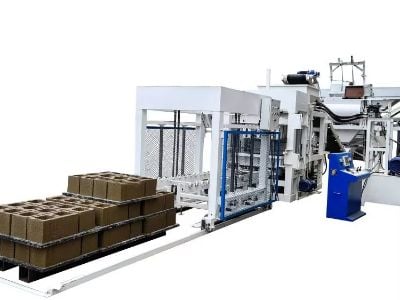
Block making equipment with multi-size mold systems is essential for construction projects that require versatility and efficiency in producing concrete blocks and interlocking bricks. As a purchasing manager or engineer, your main concerns will likely revolve around the equipment's specifications, installation, and suitability for various applications. This article will provide you with a comprehensive understanding of what to consider when selecting block making equipment, the key specifications of multi-size mold systems, installation guidance, their applications in construction, and common issues that may arise along with their solutions.
What to Consider When Choosing Block Making Equipment for Your Projects?
When selecting block making equipment, particularly those equipped with multi-size mold systems, several factors must be considered to ensure that the machinery aligns with your project requirements.
Production Capacity: Assess the volume of blocks needed for your projects. Equipment must be capable of meeting your production demands without compromising quality. Tancheng County Hongbaoyuan Machinery Co., Ltd offers various models designed to handle different capacities, ensuring that you can find a machine that fits your specific needs.
Mold Size Variability: Multi-size Interlocking Soil Brick Making Machine systems allow for the production of blocks in different dimensions. This flexibility is crucial for projects that require various block sizes. Ensure that the equipment can accommodate your specific mold requirements, as this will affect both the versatility of the blocks produced and the efficiency of your production process.
Material Compatibility: Confirm that the machinery can handle the types of concrete or cement mixtures you intend to use. Certain formulations may require specific machine settings or components to ensure optimal results.
Quality Control Features: Look for equipment that incorporates quality control mechanisms, such as automatic monitoring systems that can detect inconsistencies in block production. This can help maintain the structural integrity and durability of the blocks.
Supplier Reputation and Support: Evaluate the reputation of the manufacturer. A reliable supplier, like Tancheng County Hongbaoyuan Machinery Co., Ltd, should provide technical support, training, and after-sales service to ensure smooth operation and maintenance of the equipment.
Key Specifications of Multi-Size Mold Systems for Block Production
Understanding the key specifications of multi-size mold systems is essential for making informed purchasing decisions. Here are critical aspects to consider:
Mold Material and Construction: The molds should be made from durable materials that can withstand heavy usage and maintain dimensional accuracy. Steel molds are often preferred due to their strength and longevity, but ensure they are treated to resist corrosion and wear.
Adjustment Mechanism: The ease of adjusting the mold sizes is vital. Look for systems that allow quick and straightforward adjustments to switch between mold sizes, as this will enhance productivity and minimize downtime.
Dimensional Precision: Evaluate the precision of the Medium block making machine. The ability to produce blocks with accurate dimensions is crucial for projects requiring precise fitting, such as in wall construction or interlocking designs.
Compatibility with Existing Equipment: If you already have other block making machinery, ensure that the new multi-size mold system can integrate smoothly with your existing setup. This compatibility can save time and resources during operation.
Maintenance Requirements: Consider how easy it is to clean and maintain the molds. Regular cleaning and maintenance will prolong the life of the molds and ensure consistent production quality.
Installation Guidance for Multi-Size Mold Systems in Block Production
Proper installation of multi-size mold systems is crucial for optimal performance. Here are key steps to follow:
Site Preparation: Ensure that the installation site is level and capable of supporting the weight of the equipment. Adequate space should also be allocated for operation, maintenance, and future expansion.
Follow Manufacturer Instructions: Adhere strictly to the installation manual provided by the manufacturer. Tancheng County Hongbaoyuan Machinery Co., Ltd offers detailed guidance to assist in the setup process.
Calibration: After installation, calibrate the machine according to the specifications of the molds being used. This step is essential for achieving the correct dimensions and ensuring the machine operates effectively.
Testing: Conduct a test run before full-scale production. This will allow you to identify any issues and make necessary adjustments to the equipment.
Training Operators: Ensure that all operators are adequately trained in the use of the equipment. Understanding the functionalities and operating procedures will enhance safety and efficiency.
Applications of Block Making Equipment in Various Construction Projects
Block making equipment with multi-size mold systems is versatile and can be utilized across various construction projects:
Residential Buildings: Used for producing concrete blocks for walls, foundations, and landscaping features. The ability to produce different sizes can meet specific architectural designs.
Commercial Structures: Ideal for creating durable and aesthetically pleasing blockwork in commercial buildings, including office complexes and retail spaces.
Infrastructure Projects: Essential for infrastructure development, including roadways, bridges, and retaining walls. The strength and durability of the blocks produced can enhance structural integrity.
Pavement and Landscaping: Multi-size Interlocking Brick Machine allow for the production of aesthetically varied paving stones and landscaping blocks, providing flexibility in design.
Industrial Applications: Suitable for manufacturing blocks used in industrial settings, such as sound barriers or fire-resistant walls, where specific size and strength requirements are critical.
Common Problems with Block Making Equipment and Effective Solutions
Despite their reliability, block making equipment can encounter issues. Here are some common problems and their solutions:
Inconsistent Block Quality: This can result from poor material mixing or mold wear. Regularly check the consistency of the raw materials and inspect molds for signs of wear. Implementing strict quality control measures can help mitigate these issues.
Machine Malfunction: Equipment may occasionally malfunction due to wear and tear or improper operation. Ensure routine maintenance is performed, and operators are trained to recognize early signs of malfunction.
Dimensional Discrepancies: If blocks are not meeting dimensional specifications, this may indicate mold misalignment or calibration issues. Regular calibration checks should be conducted, particularly after mold size changes.
Production Delays: Delays can stem from equipment breakdowns or inefficient operations. Establish a maintenance schedule and ensure that operators are familiar with troubleshooting protocols to minimize downtime.
Material Clogging: This can occur if the material used is too viscous or if there is insufficient cleaning of the molds between uses. Regularly clean the molds and adjust the material composition as needed to ensure smooth operation.
By understanding these considerations, specifications, installation practices, applications, and potential problems, B2B buyers can make informed decisions when purchasing block making equipment with multi-size mold systems. Investing in the right machinery not only enhances production efficiency but also contributes to the overall success of construction projects.
Table of Contents
- What to Consider When Choosing Block Making Equipment for Your Projects?
- Key Specifications of Multi-Size Mold Systems for Block Production
- Installation Guidance for Multi-Size Mold Systems in Block Production
- Applications of Block Making Equipment in Various Construction Projects
- Common Problems with Block Making Equipment and Effective Solutions