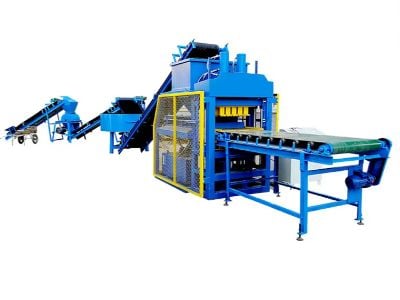
Pavement brick making machines are essential equipment for municipal infrastructure projects, enabling the production of durable interlocking bricks that meet various construction needs. When sourcing these machines, B2B buyers often face concerns about specifications, quality, and operational efficiency. This article aims to provide insights into what to consider when purchasing a pavement brick making machine, focusing on key specifications, quality evaluation, common issues, and application scenarios relevant to infrastructure projects.
What to Consider When Sourcing Pavement Brick Making Machines?
When sourcing a pavement brick making machine, buyers should consider several critical factors. First, the machine's production capacity is paramount. It is essential to evaluate how many bricks can be produced per hour and whether this meets the demands of specific projects. Additionally, the machine’s compatibility with various materials, such as concrete and recycled aggregates, should be assessed to ensure versatility in production. Buyers should also inquire about the Concrete Block Making Machines automation level. Fully automatic machines offer higher efficiency and lower labor costs, while semi-automatic options may be more suitable for smaller operations. Moreover, the manufacturer's reputation and after-sales support play a vital role in the decision-making process. Understanding the service network for maintenance and parts replacement can save significant time and expense in the long run.
Key Specifications of Pavement Brick Making Machines for Buyers
Key specifications to look for when evaluating pavement brick making machines include:
Production Capacity: This is often measured in bricks per hour. A higher capacity can cater to larger projects with tight deadlines.
Power Consumption: Efficient machines typically consume less energy, which can lead to lower operational costs. Understanding the power requirements helps in evaluating the overall cost of running the machine.
Dimensions and Weight: The size of the machine can impact transportation, installation, and operation. Buyers must ensure that their facility can accommodate the Small Concrete Block machine appropriately.
Material Requirements: The machine should be compatible with various concrete mixtures. Some machines are designed for specific types of aggregates, while others are more adaptable.
Control System: Machines with advanced digital controls can enhance precision and reduce human error, leading to better-quality bricks.
Durability and Build Quality: A robust design can withstand the rigors of continuous operation. Buyers should look for machines built with high-quality materials and components.
How to Evaluate the Quality of Pavement Brick Making Machines?
Evaluating the quality of pavement brick making machines involves several steps. First, buyers should request samples of bricks produced by the machine to assess the final product's strength, dimensional accuracy, and surface finish. This testing phase is crucial, as it reflects the machine's performance in real-world conditions. Next, it is advisable to review the manufacturer's quality control processes. A reputable manufacturer should have stringent quality checks throughout the production cycle, including material inspections, assembly tests, and performance evaluations. Certifications from recognized quality standards can also provide assurance of the machine's reliability. Finally, feedback from existing customers can be invaluable. Inquire about their experiences with the machine, focusing on operational efficiency, maintenance issues, and overall satisfaction. This firsthand information can help buyers make informed decisions.
Common Problems with Pavement Brick Making Machines and Solutions
Pavement brick making machines can encounter several common issues during operation. One frequent problem is inconsistent brick quality, which may arise from improper material mixing or inadequate machine calibration. To mitigate this, buyers should ensure proper training for operators and establish strict material handling protocols. Another common issue is machine downtime due to mechanical failure. Regular maintenance schedules should be implemented to inspect and service critical components, such as hydraulic systems and electrical controls. Having a knowledgeable technical support team available for troubleshooting and repairs can significantly reduce downtime. Finally, buyers should be aware of potential supply chain issues affecting raw materials. Establishing relationships with multiple suppliers can help mitigate risks associated with material shortages, ensuring continuous production capabilities.
Application Scenarios for Pavement Brick Machines in Infrastructure Projects
Pavement brick making machines are widely utilized in various infrastructure projects. They are ideal for producing interlocking bricks used in roads, sidewalks, and public squares. These bricks offer durability and aesthetic appeal, making them a popular choice for urban development. Additionally, these Interlocking Brick Machine can be employed in landscaping projects, where customized brick shapes and colors enhance the visual impact of outdoor spaces. The flexibility in design enables municipalities to create unique patterns and layouts that align with environmental considerations and urban planning. Moreover, pavement bricks produced by these machines can be used in drainage systems and retaining walls, helping to manage water runoff and soil erosion in infrastructure projects. Their interlocking design contributes to structural integrity, making them suitable for various applications that require stability and strength. By understanding the specific applications and capabilities of pavement brick making machines, buyers can make more informed purchasing decisions that align with their project requirements.
Table of Contents
- What to Consider When Sourcing Pavement Brick Making Machines?
- Key Specifications of Pavement Brick Making Machines for Buyers
- How to Evaluate the Quality of Pavement Brick Making Machines?
- Common Problems with Pavement Brick Making Machines and Solutions
- Application Scenarios for Pavement Brick Machines in Infrastructure Projects