
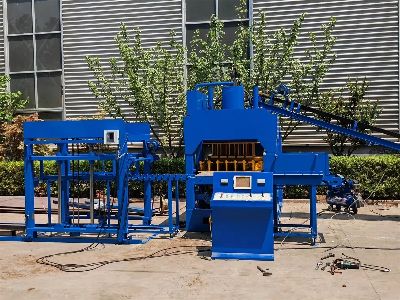
A hollow block making machine is a critical piece of equipment in the construction industry, enabling the production of uniform, high-quality concrete blocks. Understanding how a hollow block making machine controls block dimensions is vital for manufacturers, purchasing managers, and engineers who want to ensure consistency and quality in their products. This article will explore key specifications to consider when selecting a machine, installation tips for efficiency, cost factors in sourcing machines wholesale, common production issues, and how to compare different models effectively.
Key Specifications for Choosing a Reliable Hollow Block Making Machine
When selecting a hollow block making machine, various specifications directly impact its performance and the quality of the blocks produced. Key specifications include:
Production Capacity: Measured in blocks per hour, this determines how many blocks the machine can produce within a specific timeframe. A higher capacity is essential for large-scale projects.
Block Dimensions: The machine's ability to produce blocks of various dimensions is crucial. Machines typically have adjustable molds that can produce blocks of different sizes, ensuring versatility for different construction needs.
Material Compatibility: Hollow block machines can use various raw materials, including concrete, fly ash, and recycled materials. Understanding the machine's material compatibility helps in selecting the Medium block making machine right machine based on available resources.
Power Consumption: Energy efficiency is a significant consideration. A machine that consumes less power while maintaining productivity can reduce operational costs.
Control Systems: Advanced machines often feature PLC (Programmable Logic Controller) systems that enhance precision in block dimensions and improve automation, reducing the chances of human error during production.
When evaluating these specifications, buyers should consult with manufacturers like Tancheng County Hongbaoyuan Machinery Co., Ltd to ensure the machine meets their specific production needs.
Installation Tips for Your Hollow Block Making Machine Efficiency
Proper installation is crucial to the efficiency and longevity of a hollow block making machine. Here are some essential tips:
Site Selection: Choose a flat, stable site with sufficient space for the machine and raw material storage. Proximity to water and power sources is also critical.
Foundation Requirements: A solid foundation is necessary to support the machine's weight and absorb vibrations during operation. Consult with the manufacturer for specific foundation requirements.
Alignment and Leveling: Ensure the Concrete Block Making Machines machine is correctly aligned and leveled during installation. This prevents uneven block production and wear on the machine components.
Safety Measures: Install safety guards and ensure that all operators are trained in safe operating procedures. Regular maintenance checks should be scheduled to keep the machine in optimal condition.
Testing and Calibration: Before full-scale production, conduct tests to calibrate the machine and ensure that block dimensions meet specifications. This step helps identify any installation-related issues early on.
By following these installation tips, buyers can maximize the efficiency and output quality of their hollow block making machines.
Cost Factors in Sourcing Hollow Block Making Machines Wholesale
When sourcing hollow block making machines wholesale, several cost factors come into play:
Machine Specifications: Higher-capacity machines with advanced features will typically have a higher upfront cost. Buyers must weigh the initial investment against long-term productivity gains.
Material and Manufacturing Quality: The quality of materials used in machine construction affects both performance and durability. Machines made from high-grade materials may have a higher purchase price but offer better longevity.
Customization Features: Customizing a machine to meet specific production needs may incur additional costs. However, tailored machines can result in more efficient production and reduced waste.
Shipping and Handling: Consideration of shipping costs from the Small Concrete Block machine manufacturer to the destination is important, especially for international orders. Buyers should factor in any import duties or taxes that may apply.
After-Sales Support: Evaluate the manufacturer's warranty and the availability of spare parts. A lower initial purchase price may be offset by higher maintenance costs if after-sales support is inadequate.
Understanding these cost factors will help buyers make informed decisions and choose the right machine that aligns with their budget and production goals.
Common Problems in Block Production and Effective Solutions
Hollow block production can encounter various problems that affect output quality and efficiency. Here are common issues and their solutions:
Dimensional Inconsistencies: Variations in block sizes can arise due to improper calibration of molds or inconsistent material mixing. Implement regular quality control checks and calibrate molds to maintain uniform dimensions.
Surface Defects: Issues like rough surfaces or air bubbles can occur due to improper mixing or insufficient vibration during production. Ensure proper mixing ratios and adequate vibration settings to enhance surface finish.
Machine Downtime: Frequent breakdowns can disrupt production schedules. Regular maintenance and prompt attention to wear and tear can minimize downtime. Establish a routine maintenance plan based on the manufacturer's recommendations.
Material Handling Issues: Problems with raw material supply can lead to production delays. Establish reliable supplier relationships and maintain an adequate inventory to ensure a steady flow of materials.
Training Gaps: Inexperienced operators can contribute to production errors. Providing comprehensive training for all machine operators is essential to ensure they understand machine operation, maintenance, and troubleshooting.
By addressing these common production issues proactively, manufacturers can enhance their operational efficiency and maintain high-quality standards in block production.
How to Compare Different Hollow Block Making Machine Models?
When comparing different models of hollow block making machines, buyers should consider the following criteria:
Technical Specifications: Look at the production capacity, block dimensions, and material compatibility. Compare these specifications across models to find the best fit for your needs.
Price vs. Value: While price is an important factor, it should not be the sole decision-making criterion. Assess the overall value offered by each model, including durability, after-sales support, and long-term operational costs.
Manufacturer Reputation: Research the manufacturer's track record in the industry. A reputable manufacturer like Tancheng County Hongbaoyuan Machinery Co., Ltd, known for its quality and reliability, can provide assurance of the machine's performance.
Customer Reviews and Testimonials: Seek feedback from other customers who have purchased the machines you are considering. Real-world experiences can provide valuable insights into the performance and reliability of different models.
Customization Options: Evaluate the level of customization available for each model. Machines that can be tailored to specific production needs may provide significant advantages in operational efficiency.
By carefully comparing these aspects, buyers can make more informed decisions and select the hollow block making machine that best meets their production requirements.
Table of Contents
- Key Specifications for Choosing a Reliable Hollow Block Making Machine
- Installation Tips for Your Hollow Block Making Machine Efficiency
- Cost Factors in Sourcing Hollow Block Making Machines Wholesale
- Common Problems in Block Production and Effective Solutions
- How to Compare Different Hollow Block Making Machine Models?