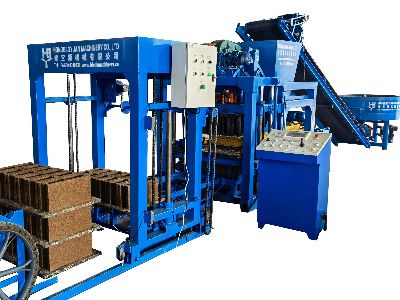
Concrete block making machines are essential for the efficient production of various concrete products used in construction and infrastructure projects. When evaluating what makes a concrete block making machine suitable for industrial production, buyers often focus on specifications, reliability, cost factors, and potential operational challenges. This article will guide purchasing managers and engineers through the key aspects that determine the suitability of these machines for industrial applications.
Key Specifications to Evaluate in Concrete Block Making Machines
When selecting a concrete block making machine, several specifications are critical to ensure optimal performance in industrial production. Key specifications include:
Capacity: The production capacity, typically measured in blocks per hour or day, should align with the production demands of your project. For instance, a machine that produces 1,000 blocks in an hour might be ideal for large-scale operations, while smaller projects may require machines with lower outputs.
Block Size Compatibility: Different projects require different block sizes. Machines must be adaptable to produce various dimensions, including standard sizes for interlocking bricks or custom sizes as per project specifications.
Material Composition: Most concrete block Interlocking Brick Machine use a combination of aggregates, cement, and water. Machines designed to handle a variety of materials, including recycled aggregates, can enhance sustainability and reduce costs.
Hydraulic System: A robust hydraulic system is crucial for ensuring consistent pressure during the molding process, affecting the density and strength of the blocks produced. Buyers should look for machines with advanced hydraulic technology for better control and efficiency.
Automated Controls: Automation features such as PLC (Programmable Logic Controller) can improve production efficiency and reduce labor costs. Machines with integrated monitoring systems can also help ensure quality control during production.
Durability and Maintenance: Constructed from high-quality materials, the machine should withstand wear and tear from continuous operation. Easy access to components for maintenance is essential to minimize downtime.
Understanding these specifications helps buyers determine which machine aligns best with their production needs and operational goals.
Where to Source Reliable Concrete Block Making Machines Wholesale?
Sourcing reliable concrete block making machines is crucial for ensuring quality and performance in industrial production. Here are some strategies for finding reputable suppliers:
Industry Trade Shows and Expos: Attending industry-specific trade shows provides opportunities to meet manufacturers, view their machines in action, and discuss specifications and capabilities directly. This face-to-face interaction can lead to better insights into the machine's performance and supplier reliability.
Online B2B Marketplaces: Platforms such as Alibaba, Made-in-China, and Global Sources offer extensive listings of manufacturers. Buyers can compare products, read reviews, and contact suppliers directly to validate their offerings.
Manufacturer Websites: Companies like Tancheng County Hongbaoyuan Medium block making machine Co., Ltd. provide detailed information about their products, including specifications, certifications, and case studies. A thorough review of the manufacturer's capabilities can help buyers make informed decisions.
Referrals and Recommendations: Networking with industry professionals can yield valuable insights into trusted suppliers. Recommendations from colleagues or industry contacts can help narrow down options to those with a proven track record.
Quality Certifications: Look for manufacturers that hold relevant industry certifications, such as ISO, which indicate adherence to quality management standards. This can be a strong indicator of the reliability of the machinery.
By employing these sourcing strategies, buyers can identify reliable manufacturers that meet their specific needs for concrete block making machines.
Understanding the Cost Factors of Concrete Block Making Machines
The cost of concrete block making machines can vary significantly based on several factors that impact both the initial investment and long-term operational expenses:
Machine Type and Specifications: Different types of machines, such as manual, semi-automatic, and fully automatic, come with varying price points. Fully automatic machines, while more expensive, may offer significant labor savings and higher production rates.
Production Capacity: Machines designed for higher outputs typically carry a higher price tag. It's essential to balance the upfront cost with expected production needs to avoid over-investing in capacity that won't be utilized.
Material and Build Quality: The materials used in the machine’s construction affect its durability and maintenance costs. Machines made from high-grade steel may have higher upfront costs but can reduce long-term maintenance and replacement expenses.
Customization Options: If specific customizations are required, such as specialized molds or additional features, these can add to the overall cost. Buyers should evaluate the necessity of these features against their budget and production needs.
Shipping and Import Fees: If sourcing Small Concrete Block machine from overseas manufacturers, buyers should account for shipping costs, import duties, and taxes, which can significantly affect the total expenditure.
Understanding these cost factors allows buyers to make informed financial decisions and select a machine that provides the best value for their production requirements.
Common Problems with Concrete Block Making Machines and Their Solutions
While concrete block making machines are designed for efficiency, they can encounter several common issues during operation. Here are some problems and their potential solutions:
Inconsistent Block Quality: Variations in block strength or dimensions can occur due to improper material mixing or inconsistent machine settings. To mitigate this, operators should regularly calibrate the machine and conduct material tests to ensure uniformity.
Machine Jams: Frequent jams can disrupt production. Regular cleaning and maintenance of the machine, along with proper operator training, can help minimize this issue. Ensuring that the correct size of aggregates is used can also prevent blockages.
Hydraulic Failures: A malfunctioning hydraulic system can lead to production delays. Regular inspections and timely replacement of hydraulic components can help maintain system integrity and performance.
Wear and Tear of Molds: Over time, molds can wear down, affecting block shape and quality. Implementing a routine inspection schedule can help identify wear early, allowing for timely replacements or repairs.
Operator Error: Inadequate training can lead to mistakes that impact production quality. Investing in comprehensive training programs for operators can improve efficiency and reduce the likelihood of errors.
By proactively addressing these common issues, manufacturers can enhance machine performance and maintain consistent production standards.
Installation Guidance for Efficient Use of Concrete Block Making Machines
Proper installation of concrete block making machines is vital for ensuring efficient operation and optimal product quality. Here are essential guidelines:
Site Preparation: Ensure that the installation site has a stable foundation capable of supporting the weight and vibrations of the machinery. Adequate space for operation and maintenance is also necessary.
Power Supply: Verify that the electrical supply meets the machine’s requirements. Proper voltage and frequency are crucial for avoiding electrical issues that can lead to machine malfunctions.
Hydraulic Connections: For hydraulic machines, ensure that all hydraulic connections are secure and leak-free. Testing the system before full operation can help identify potential issues early.
Calibration: After installation, calibrate the machine according to the manufacturer’s specifications. This includes setting the correct pressure and adjusting the settings for the desired block size.
Operator Training: Train operators thoroughly on machine operation, maintenance protocols, and emergency procedures. This training is essential for maximizing machine efficiency and minimizing downtime due to operator errors.
By following these installation guidelines, companies can ensure that their concrete block making machines operate efficiently and produce high-quality products consistently.
Table of Contents
- Key Specifications to Evaluate in Concrete Block Making Machines
- Where to Source Reliable Concrete Block Making Machines Wholesale?
- Understanding the Cost Factors of Concrete Block Making Machines
- Common Problems with Concrete Block Making Machines and Their Solutions
- Installation Guidance for Efficient Use of Concrete Block Making Machines